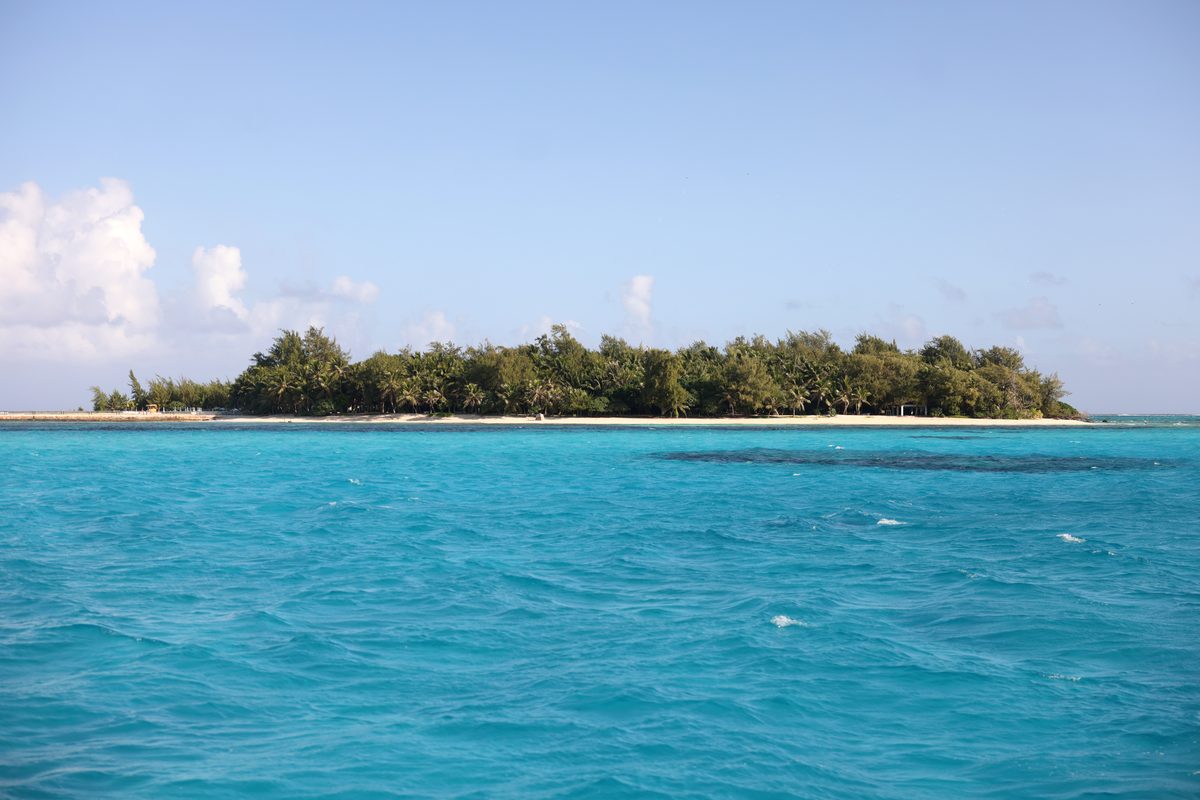
Mañagaha, a small island ringed by white sand, across Saipan's bright turquoise lagoon
Island Living

What's it like here?

A U.S. island in the western Pacific, with world-class water and a close-knit community.

Mañagaha Island, off Saipan's west coast. Photo: Gage Skidmore, CC BY-SA 4.0, via Wikimedia Commons.

Saipan is a meeting place of Pacific Island and Asian cultures, under the familiar umbrella of a U.S. territory. Strange? Definitely. Fascinating? Absolutely.

Here's an overview of everyday life on the island: the people, the outdoors, family life, housing, travel, and the honest trade-offs.

The island at a glance

  • 12 × 5½ miAbout 12 miles long and under 6 miles wide
  • 43,000Saipan residents (2020 Census), the largest of the Northern Marianas
  • Warm year-roundTropical weather, with highs usually in the mid-80s °F
  • U.S. territoryA U.S. commonwealth: U.S. dollar, U.S. mail, U.S. power outlets
  • English spokenUsed everywhere, alongside Chamorro, Carolinian and many Asian languages
  • Mt. TapochauThe highest point, with views over the whole island and lagoon

Life on the island

Culture & community

  • Chamorro and Carolinian heritage, with large Filipino communities and Korean, Japanese, Chinese and Micronesian neighbors.
  • The Garapan Street Market on Thursday evenings, the Flame Tree Arts Festival, and Chamorro & Carolinian Heritage Month each October.
  • A small, welcoming medical staff. Colleagues quickly become friends. Read their letters.
The outdoors

  • Boat over to Mañagaha Island, or dive and snorkel the Grotto, Lau Lau Bay, Obyan and the WWII wrecks in the lagoon.
  • Hikes to Forbidden Island, Bird Island and Old Man by the Sea.
  • Kiteboarding and windsurfing at Micro Beach in the winter trade winds, plus golf.
  • A weekly Hash run and pickup Ultimate frisbee are easy ways to meet people.

Family life

  • Private schools include Brilliant Star Montessori, Saipan International School, Mount Carmel School and Grace Christian Academy, alongside the public school system.
  • Beach parks with pavilions and calm, shallow lagoon water for kids to snorkel.
  • A small-town feel where kids spend much of their time outdoors.
See the schools

Housing & cost of living

Typical monthly rents (approximate):

~$7001-bedroom
~$1,2002-bedroom
$1,500–2,0003–4 bedroom house
  • Rentals are found through local realtors and apartment complexes popular with hospital staff.
  • Imported goods can cost more, and some items take longer to arrive.
Compare take-home pay with our calculator

Getting around & travel

  • You'll want a car. Rental cars are available at the airport when you land.
  • Flights to Guam daily, plus Tokyo, Seoul, Hong Kong and Manila. Asia is a short trip away.
  • Small commuter planes hop to Tinian and Rota, our neighboring islands.
  • Trips to the mainland usually connect through Guam.
Travel to Saipan

The honest realities

  • Island pace. Things move more slowly here. Most people come to love it.
  • Shipping takes patience. Priority Mail usually takes about 10–14 days, and some online sellers don't ship here. Shipping tips.
  • Internet is slower than in most mainland cities, but it is improving.
  • Typhoons. Residents prepare the way Gulf Coast families do for hurricanes. Through two super typhoons in 2026, the community pulled together and our ER stayed open 24/7.

Could you see yourself here?

Tell us a little about yourself. We'll review your CV and get back to you.